

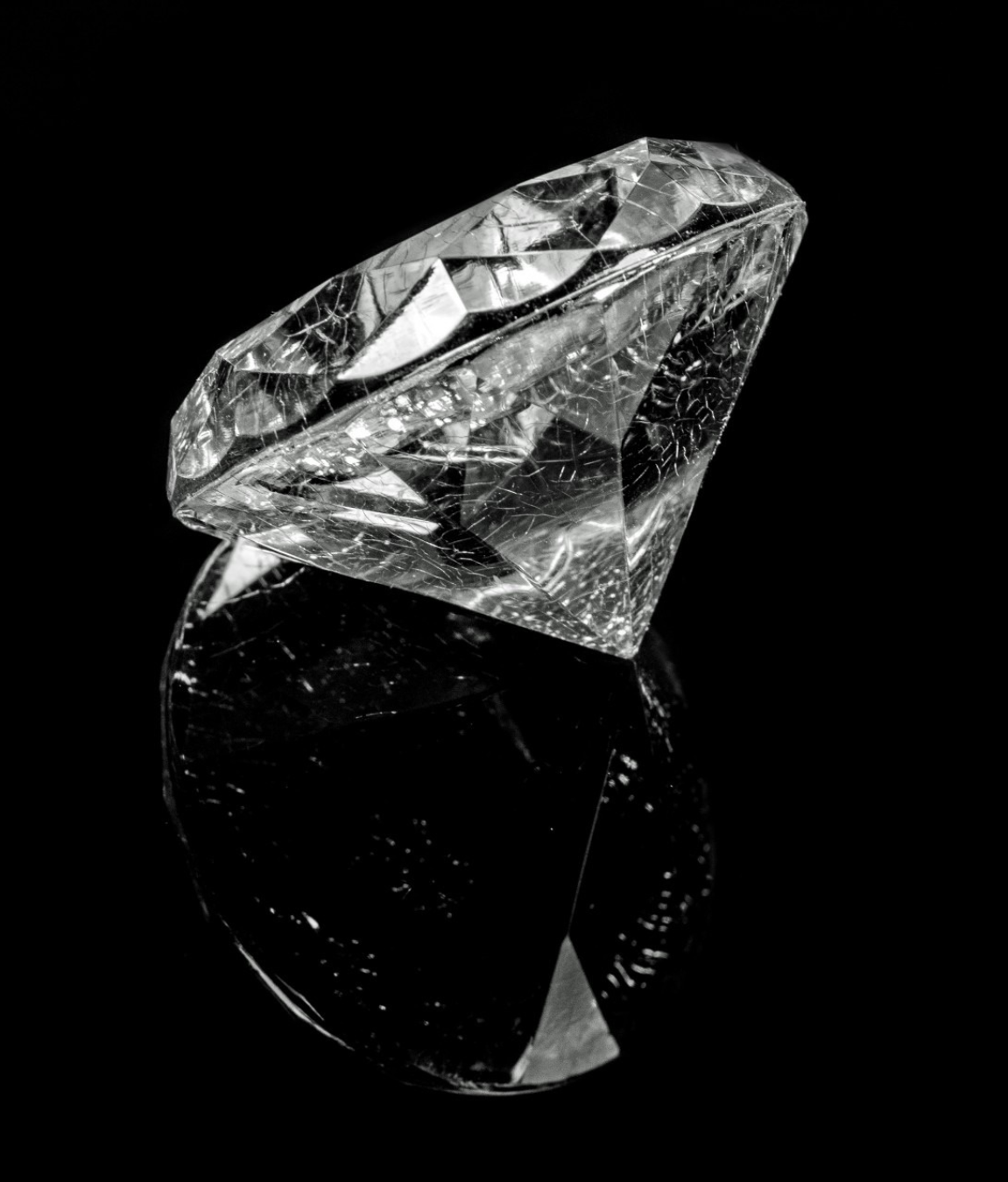
For many, diamonds are viewed as luxurious and expensive, making them unaffordable for most. However, modern society is now witnessing a revolutionary change in the jewellery sector through lab grown diamonds. Lab grown diamonds are 100% natural diamonds having the same physical and chemical properties like natural diamonds.
In today's society, consumers do not want to purchase products on the basis of their appearance and design. Instead, consumers look for products that offer affordability and sustainability, and for them, lab grown diamonds provide an excellent opportunity, since lab-grown diamond prices are relatively cheaper by 70-80% compared to natural diamonds.
Whether you are looking for an engagement ring or want to gift yourself, this guide will help you make the right decision for you.
What are Lab Grown Diamonds?
Lab grown diamonds are actual diamonds that are created artificially under laboratory conditions through the same process that is used during the formation of natural diamonds.
One of the biggest questions everyone has in mind is “Are lab-grown diamonds real?” The answer is Yes. They are 100 % real diamonds. Lab grown diamonds are made up of only carbon atoms structured in the same way as natural diamonds.
Due to their identical structures, lab grown diamonds have the same characteristics of hardness, durability, and physical appearance as natural diamonds. Measuring 10 on the Mohs scale makes them perfect for use in jewellery such as lab-grown diamond rings, pendants, and necklaces. The lab grown diamonds in India are becoming popular due to the affordability and elegance they provide, which is similar to that of natural diamonds.
How Lab-Grown Diamonds Are Made?
There are mainly 2 methods for the lab grown diamond process: CVD (Chemical Vapor Deposition, in which a layer of carbon atoms is formed on a diamond seed with carbon-rich gases, and the HPHT process, which creates the same conditions in the lab through which natural diamonds are formed.
Both processes give two types of lab grown diamonds, CVD and HPHT diamonds, which are also certified by IGI and GIA.
Types of Lab Grown Diamond Jewellery
Lab Grown Diamonds are available in different types of jewellery styles. From everyday wear to special occasions, lab-grown diamond jewellery can be customized for every type. Here are some types of Lab Grown Diamond jewellery.
-
Lab Grown Diamond Rings: The lab grown diamond rings are most popular for engagements, weddings, and daily wear. From Solitaire diamonds to CVD diamonds, they are available in different design types, offering elegance under budget.
-
Lab Grown Diamond Earrings: lab grown diamond earrings range from stud earrings to hoops. Many buyers prefer these earrings because they give a decent look within budget.
-
Lab Grown Diamond Necklace: Whether styled with other pieces, lab-grown diamonds elevate your look and beauty. They simplify the task of selecting a unique necklace design because they offer superior clarity and large-sized stones at an affordable rate.
-
Lab Grown Diamond Bracelets: The lab-grown diamond bracelets give a minimal look with statement styles in the budget.
Difference Between Lab Grown and Natural Diamonds
At first glance, there is no visible difference between natural diamonds and lab-grown diamonds. The only difference lies in the way they formed. Lab-grown diamonds are grown in a laboratory in 2-4 weeks whereas natural diamonds are formed under billions of years in the mantle under heat and pressure.
Lab-grown diamond vs natural diamond price comparison is the biggest reason buyers prefer lab-grown diamonds, as they are generally available at a lower cost.
Difference Between Moissanite and Lab Grown Diamond
Moissanite is a different gemstone with different chemical and physical properties from a lab-grown diamond.
|
Factors |
CVD Diamonds |
Moissanite |
|
Composition |
Carbon |
Silicon Carbide |
|
Stone Used |
Real diamond |
Diamond Simulant |
|
Sparkle |
White |
Rainbow |
|
Hardness |
10 |
9.25 |
|
Price |
Expensive than Mossanite, Long term luxury value |
Budget Friendly, good for big stones |
|
Certifications |
IGI/ GIA |
Separate Certification |
|
Resale |
High Resale Value |
Low Resale Value |
Benefits of Lab Grown Diamonds
One of the biggest benefits of modern lab grown diamonds is that buyers can often choose quality stone, larger carat sizes, and premium diamond cuts at a more accessible price as compared to mined diamonds. This makes it easier to prioritize the features that matter most, whether it’s brilliance, clarity, or a popular cut like round, oval, or emerald without exceeding your budget.
-
Lab Grown Diamonds are available at 70-80% price than natural diamonds, which makes them more affordable, allowing buyers to choose better quality, larger size, and premium diamond cuts.
-
Lab-grown diamonds are created in a controlled environment, and there is no harm to the environment, making them ethical.
-
Like Natural Diamonds, lab grown diamonds are graded on the 4Cs and certified by laboratories, GIA, and IGI.
-
They can be customized in a variety of styles, designs and sizes.
Many buyers find the resale value of lab-grown diamonds a disadvantage, but above all, they are more affordable, elegant, and stylish.
Where to Buy Lab Grown Diamonds in India
India has emerged as one of the markets of manufacturing of lab grown diamonds. If you are looking for the best place to buy lab-grown diamonds, then choose Emori, the best lab grown diamond company in India, providing affordable lab-grown diamonds in different categories like rings, pendants, necklaces, and bracelets. Every piece of jewellery is very carefully designed for your everyday wear and special occasions without being in stress of pricing.
However, it is very important to consider a few points before buying a lab-grown diamond in India:
-
Always check for the certifications from IGI and GIA.
-
Return and Exchange policies
-
Customer reviews and trust in the brand
-
Quality
At Emori, lab-grown diamond jewellery is designed with durability, elegance, and style for your special occasions and daily wear. Our lab grown diamonds are IGI and GIA certified with excellent 4C grading standards. Our goal is to provide buyers clarity and confidence in their purchasing decisions so they know exactly what they are buying into.
Emori is focused on delivering premium lab grown diamonds online with quality, elegance and sustainability.
Frequently Asked Questions
1. Is a lab-grown diamond worth buying?
Yes, lab-grown diamonds are worth buying if you are looking for real diamonds within your budget.
2. Can lab-grown diamonds be certified?
Yes, lab-grown diamonds are certified by geological laboratories, IGI, and GIA on the basis of 4C, like real diamonds.
3. Do lab-grown diamonds hold their value?
Lab-grown diamonds hold the same value as natural diamonds. People prefer to buy them for their affordable design styles.
4. What is the resale value of lab-grown diamonds?
The resale value of lab-grown diamonds depends on their carat weight, certification, and quality.
Share:
Top 10 Most Expensive Diamond Rings in the World
Why are Gold and Platinum Suitable for Making Jewellery?