

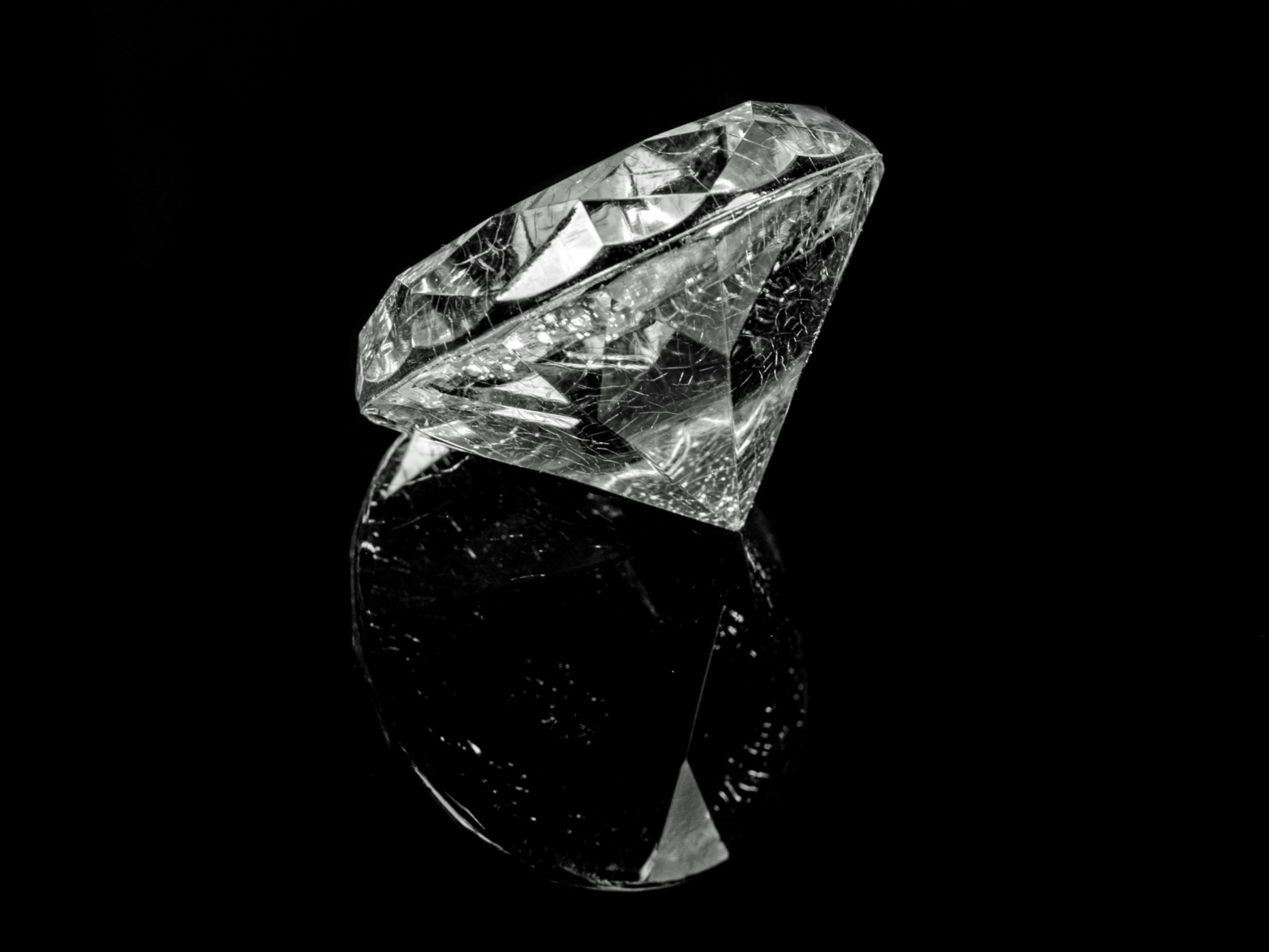
Are Lab Grown Diamonds Real?
Yes, lab grown diamonds are real diamonds.
They have the same chemical composition, crystal structure, hardness, brilliance, and optical properties as natural diamonds formed beneath the earth's surface. In fact, both lab grown and mined diamonds are made of pure carbon arranged in the same crystal structure, which is what makes a diamond a diamond.
The main difference between the two is how they are created. Natural diamonds form deep within the earth over billions of years under extreme heat and pressure. Lab grown diamonds are created in advanced laboratories that replicate those same conditions, allowing a diamond to form in a matter of weeks rather than geological ages.
Because they share the same physical and chemical properties, lab grown diamonds are graded and certified using the same standards as mined diamonds. Leading gemological laboratories such as IGI and GIA evaluate both based on the 4Cs: Cut, Colour, Clarity, and Carat Weight. To the naked eye, a lab grown diamond looks identical to a natural diamond and even trained jewellers require specialised equipment to determine its origin.
Despite this, many people still wonder whether lab grown diamonds are "real" or simply diamond alternatives. The confusion often comes from comparing lab grown diamonds with simulants such as cubic zirconia or moissanite, which may resemble diamonds but are entirely different materials.
In this guide, we'll explain what makes a diamond real, how lab grown diamonds are created, how they compare to natural diamonds, and why millions of consumers now consider them a genuine alternative to mined diamonds.
What Makes a Diamond a Real Diamond?
To understand whether lab grown diamonds are real, it helps to first understand what makes any diamond a diamond.
A diamond is not defined by where it comes from. It is defined by its composition and structure.
For a gemstone to be classified as a diamond, it must have:
-
A chemical composition of pure carbon
-
A specific crystal structure known as a diamond cubic crystal
-
A hardness rating of 10 on the Mohs scale
-
The ability to reflect and refract light in a way that creates a diamond's signature brilliance and fire
These characteristics are what gemologists use to identify a diamond, not whether it was formed underground or created in a laboratory.
Lab grown diamonds meet every one of these requirements. They are made of the same carbon atoms arranged in the same crystal structure as natural diamonds. As a result, they have the same hardness, durability, sparkle, and optical performance as mined diamonds.
This is why major gemological laboratories such as IGI and GIA classify lab grown diamonds as real diamonds rather than diamond simulants.
The confusion often arises because people compare lab grown diamonds with materials such as cubic zirconia or moissanite. While these gemstones may look similar to a diamond, they have different chemical compositions and physical properties. Lab grown diamonds, on the other hand, are genuine diamonds that simply have a different origin.
In simple terms, a diamond is defined by what it is, not where it comes from. Since lab grown diamonds have the same composition and properties as natural diamonds, they are scientifically recognised as real diamonds.
Lab Grown Diamonds vs Natural Diamonds: What's the Difference?
Now that we know lab grown diamonds are real diamonds, the next question is: how are they different from natural diamonds?
The answer is surprisingly simple. Lab grown and natural diamonds are identical in terms of their chemical composition, crystal structure, hardness, and appearance. The main difference lies in how they are formed.
| Feature | Lab Grown Diamonds | Natural Diamonds |
|---|---|---|
| Composition | Pure Carbon | Pure Carbon |
| Crystal Structure | Diamond Crystal Structure | Diamond Crystal Structure |
| Hardness | 10 on the Mohs Scale | 10 on the Mohs Scale |
| Sparkle & Brilliance | Same | Same |
| Certification | IGI, GIA and other recognised labs | IGI, GIA and other recognised labs |
| Origin | Created in a laboratory | Formed naturally beneath the earth |
| Formation Time | A few weeks | Billions of years |
| Price | Typically more affordable | Generally more expensive |
Because both are real diamonds, they look identical to the naked eye. In fact, even experienced jewellers cannot reliably identify a lab grown diamond without specialised equipment designed to determine its origin.
One of the biggest reasons consumers choose lab grown diamonds today is value. Since they can be produced more efficiently than mined diamonds, buyers are often able to purchase a larger diamond or a higher colour and clarity grade within the same budget.
Natural diamonds, on the other hand, are valued for their geological origin and the fact that they were formed by nature over billions of years. For some buyers, this rarity and history hold special significance.
Ultimately, neither option is more "real" than the other. Both are genuine diamonds. The decision usually comes down to personal preference, budget, and what matters most to the individual buyer.
Also read Lab grown vs. Natural diamonds: Are They Different?
How Are Lab Grown Diamonds Created?
Lab grown diamonds are created by replicating the same conditions that form natural diamonds beneath the earth. Scientists use advanced technology to recreate the extreme heat, pressure, and carbon-rich environment required for diamond growth.
The process begins with a tiny diamond seed, which is a small piece of an existing diamond. Carbon atoms are then added around this seed under carefully controlled conditions, allowing a larger diamond crystal to grow over time.
Today, most lab grown diamonds are produced using one of two methods:
High Pressure High Temperature (HPHT)
The HPHT method mimics the natural diamond formation process that occurs deep within the earth. Carbon is exposed to extremely high temperatures and intense pressure, causing it to crystallise into a diamond. This process closely resembles how many natural diamonds were formed over billions of years.
Chemical Vapour Deposition (CVD)
The CVD method uses a carbon-rich gas inside a specialised chamber. As the gas is heated, carbon atoms separate and gradually attach themselves to a diamond seed layer by layer. Over time, this forms a fully grown diamond crystal with the same chemical and physical properties as a natural diamond.
Although the creation process differs from mined diamonds, the end result is the same. Once a lab grown diamond has formed, it is cut, polished, graded, and certified just like a natural diamond.
Read More About CVD Diamonds.
This is why lab grown diamonds are recognised by leading gemological laboratories such as IGI and GIA as real diamonds. The only difference they identify is the diamond's origin, not its quality, durability, or authenticity.
Can You Tell the Difference Between a Lab Grown and Natural Diamond?
For the average person, the answer is no.
A lab grown diamond looks exactly like a natural diamond because both have the same chemical composition, crystal structure, brilliance, and hardness. When viewed side by side, they display the same sparkle, fire, and light performance that diamonds are known for.
Even experienced jewellers cannot reliably identify a lab grown diamond simply by looking at it. Visual inspection alone is usually not enough to determine whether a diamond was created in a laboratory or formed naturally beneath the earth.
To identify a diamond's origin, specialised gemological equipment is required. Laboratories such as IGI and GIA use advanced testing methods to detect subtle growth patterns and characteristics that reveal whether a diamond is natural or lab grown.
This is why certification is so important. Every certified lab grown diamond clearly states its origin on the grading report, giving buyers complete transparency about what they are purchasing.
In everyday wear, however, there is no visible difference between a lab grown and a natural diamond. Both offer the same brilliance, durability, and beauty. The distinction can only be confirmed through professional testing and certification.
Why Do Some People Think Lab Grown Diamonds Are Fake?
One of the biggest reasons people question whether lab grown diamonds are real is because the idea of creating a diamond in a laboratory still feels unfamiliar to many consumers.
For decades, most people associated "real diamonds" exclusively with diamonds mined from the earth. As a result, anything created in a laboratory was often assumed to be an imitation rather than a genuine diamond.
Another common source of confusion is the comparison between lab grown diamonds and diamond simulants such as cubic zirconia or moissanite. While these gemstones may resemble a diamond in appearance, they are made from entirely different materials and have different physical and optical properties.
Lab grown diamonds are different. They are not diamond substitutes or look-alikes. They are real diamonds made of pure carbon with the same crystal structure, hardness, brilliance, and durability as natural diamonds.
The term "lab grown" simply describes how the diamond was created, not what it is. In the same way that ice made in a freezer and ice formed naturally are both ice, a lab grown diamond and a natural diamond are both diamonds.
Today, major gemological laboratories such as IGI and GIA recognise lab grown diamonds as genuine diamonds and provide certification that clearly identifies their origin. As awareness continues to grow, more consumers are understanding that the debate is not about whether lab grown diamonds are real, but about which type of diamond best suits their preferences, values, and budget.
Are Lab Grown Diamonds Certified?
Yes, lab grown diamonds can be certified by the same internationally recognised gemological laboratories that grade natural diamonds.
Organizations such as the International Gemological Institute (IGI) and the Gemological Institute of America (GIA) evaluate lab grown diamonds using the same standards applied to natural diamonds. Each diamond is carefully assessed for its Cut, Colour, Clarity, and Carat Weight, commonly known as the 4Cs.
A lab grown diamond certificate contains detailed information about the diamond's characteristics, including its measurements, grading results, and unique identification number. The report also clearly states that the diamond is lab grown, providing complete transparency about its origin.
Certification is important because it allows buyers to verify the quality and authenticity of a diamond independently rather than relying solely on a seller's description. Whether a diamond is natural or lab grown, a grading report provides confidence that the stone has been professionally evaluated by a trusted third party.
When purchasing a lab grown diamond, choosing a certified stone helps ensure you know exactly what you are buying and how its quality has been assessed.
Why Are More People Choosing Lab Grown Diamonds?
The growing popularity of lab grown diamonds is driven by a combination of value, quality, and changing consumer preferences.
-
Better Value for Money: Lab grown diamonds are typically more affordable than natural diamonds of similar quality, allowing buyers to choose a larger carat size or higher colour and clarity within the same budget.
-
Real Diamonds: Lab grown diamonds have the same chemical composition, crystal structure, hardness, and brilliance as natural diamonds, making them genuine diamonds rather than diamond simulants.
-
Certified and Transparent: Lab grown diamonds can be graded and certified by recognised gemological laboratories such as IGI and GIA, giving buyers confidence in their quality and authenticity.
-
Greater Design Flexibility: The affordability of lab grown diamonds allows consumers to explore larger stones, intricate jewellery designs, and custom pieces that may otherwise exceed their budget.
-
Growing Consumer Awareness: As more people learn that lab grown diamonds are real diamonds, demand continues to increase among buyers looking for quality, transparency, and value.
-
Alternative to Mined Diamonds: Many consumers appreciate having a choice between natural and lab grown diamonds, allowing them to select the option that best aligns with their preferences and priorities.
For many modern buyers, the decision comes down to one simple fact: lab grown diamonds offer the same beauty and durability as natural diamonds while providing greater value and flexibility.
Share:
VVS vs VS Diamonds: Understanding the Real Clarity Differences
What Is Moissanite? Everything You Need to Know Before Buying