

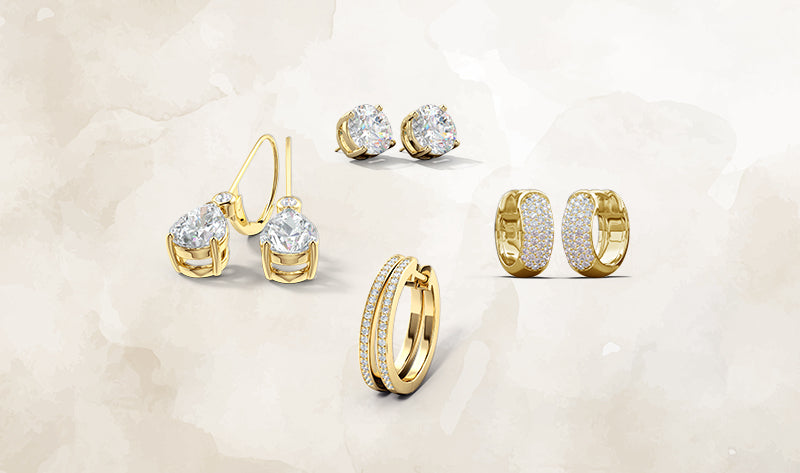
When you are buying lab grown diamond earrings, the question of “which metal is best?” becomes as important as choosing the diamonds themselves. The metal affects how bright the diamonds appear, how secure the setting stays over time, how the earrings feel on your ears throughout the day, and how much care they will need in the long run. Many buyers focus only on diamond size, but the metal is what decides the real comfort and durability of the piece.
This guide breaks down each metal in detail so you can choose confidently based on your skin type, lifestyle, long-term use, and the exact look you want from your lab grown diamond earrings.
1. 14K Gold – The Best All-Round Choice
If you want earrings that last long, feel light, and suit everyday wear, 14K gold is the most dependable metal. It has a balanced amount of pure gold mixed with strengthening metals, which gives it durability without losing the beauty of gold.
Why 14K Gold Works So Well
- It’s strong enough for daily wear
- It doesn’t bend or scratch easily
- Lightweight and comfortable even if worn all day
- More affordable compared to 18K gold
- Safe for most skin types
- Holds diamonds securely, even in delicate stud settings
14K gold offers the perfect stability for lab grown diamond earrings , especially for people who want to wear their studs or hoops every day. It is the metal that gives the best balance between beauty and practicality.
How 14K Gold Looks
- White Gold: Makes diamonds look brighter and whiter
- Yellow Gold: Warm, timeless, and suits most Indian skin tones
- Rose Gold: Soft, modern, and flattering for warm undertones
This metal remains a top choice for daily-wear diamond earrings because it supports both comfort and style.
2. 18K Gold – Best for a Rich and Premium Look
18K gold contains more pure gold, which gives it a richer, deeper colour. It feels more luxurious and is often chosen for high-value jewellery pieces where the colour of gold needs to stand out.
Why People Choose 18K Gold
- The colour looks more premium
- It pairs beautifully with higher-carat lab grown diamonds
- Ideal for gifting or special occasion earrings
- Softer shine that looks elegant
However, because 18K gold contains more pure gold, it is softer and may show scratches faster. It’s perfect for occasional wear or premium designs, but not always ideal for very active daily routines.
3. Platinum – The Strongest and Most Reliable Metal
Platinum is the metal for people who want something that will last decades with minimal care. It is naturally white, extremely strong, and completely hypoallergenic, making it an excellent choice for lab grown diamond earrings.
Why Platinum Stands Out
- Naturally bright white,no need for re-plating
- Extremely durable and secure for diamond settings
- Ideal for sensitive ears
- Maintains its colour forever
- Feels substantial, giving earrings a premium weight
Platinum is slightly heavier than gold, but that’s what makes it feel luxurious. For someone who wants their lab grown diamond studs to look bright for years without maintenance, platinum is a top pick.
4. White Gold – Best for Maximum Sparkle
White gold is one of the most popular choices for diamond earrings because it intensifies the brightness of the stone. Its cool, reflective tone blends with the diamond and enhances its clarity.
Why White Gold Works So Well
- Makes diamonds look sharper and whiter
- Suits people who prefer a clean, modern look
- Works beautifully with both small and large lab grown diamonds
- Lightweight and comfortable
Things to Know
White gold gets its final bright colour from rhodium plating. Over time, especially with daily wear, the plating may need refreshing. This is normal and part of regular jewellery maintenance.
5. Yellow Gold – For a Timeless and Classic Appeal
Yellow gold has a warm, natural glow that pairs beautifully with diamonds. It is classic, elegant, and remains a favourite for traditional daily-wear earrings.
Why People Choose Yellow Gold
- Soft, glowing contrast that enhances the diamond
- Great for Indian skin tones
- Perfect for simple studs and classic hoops
- Never goes out of style
Yellow gold offers a more traditional look, making it ideal for people who like jewellery that feels rooted yet modern.
6. Rose Gold – Soft, Stylish, and Unique
Rose gold has grown incredibly popular because of its soft pink tone that adds a romantic and modern touch to diamond earrings.
Why Rose Gold Works
- Unique without being too bold
- Looks beautiful with minimalist lab grown diamond studs
- Complements warm undertones
- Adds personality and softness to the piece
For people who want something contemporary and slightly different, rose gold is a lovely choice.
7. Which Metal Is Best for Sensitive Skin?
If you have sensitive skin or often feel irritation with earrings, choosing the right metal is essential.
Best Options
- Platinum – the safest, completely hypoallergenic
- 14K Yellow or Rose Gold – usually safe for most people
- Titanium – lightweight and skin-friendly for very sensitive ears
Avoid cheap alloys or metal blends that may contain nickel.
Different lifestyles require different metal strengths.
For Everyday Wear
- 14K Gold
- Platinum
Both offer strong durability for long hours of wear.
For Office or Professional Wear
- White Gold
- Rose Gold
These provide a clean, polished look.
For Occasional or
- Platinum
For Maximum Brightness
-
White Gold or Platinum
Final Verdict: Which Metal Works Best Overall?
Here’s the simplest way to decide:
Best overall for value, durability, and daily comfort:
14K Gold
Best for sensitive skin and no-maintenance sparkle:
Platinum
Best for luxury lovers:
18K Gold
Best for the brightest diamond look:
White Gold or Platinum
Choosing the right metal ensures your lab grown diamond earrings stay beautiful, comfortable, and secure for years. When metal and diamond quality work together, the earrings become a piece you’ll reach for every day.
Share:
How to Pick the Perfect Diamond Stud Size
Why Everyone Is Copying These 2025 Celebrity Necklace Styles