

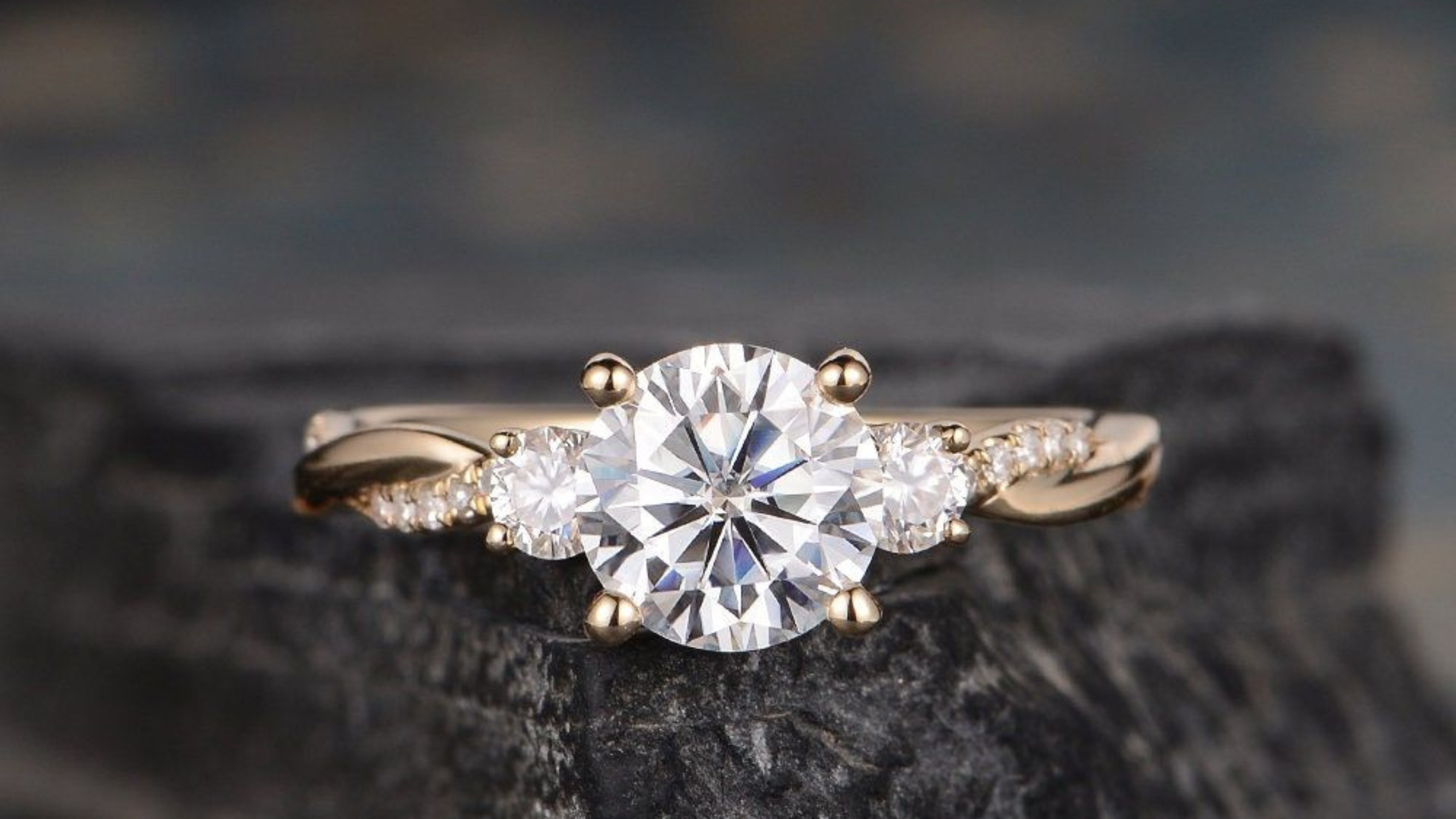
What Makes a Diamond Ring Look Expensive?
A diamond ring looks expensive when its diamond, setting, proportions, metal and finishing work well together. It is not simply about choosing the biggest diamond or the highest clarity grade. A well-cut diamond with strong sparkle, a balanced setting and clean craftsmanship can make a ring look far more premium.
This is also where looking expensive and being valuable are slightly different things. The value of a diamond ring can depend on the diamond's cut, colour, clarity and carat weight, along with the metal, craftsmanship, certification and design. But when you look at a ring and think, “That looks really expensive,” you are usually noticing how these elements come together visually.
So, if you're choosing a diamond ring and want it to have a luxurious, well-made appearance without simply spending more on a bigger stone, there are a few things worth paying attention to.
The Quality of the Diamond
The quality of the diamond is one of the biggest factors behind both its value and how impressive a diamond ring looks. Four key characteristics are commonly used to assess a diamond: cut, clarity, colour and carat weight, often referred to as the 4Cs.
For the new query, the cut deserves particular attention because it directly affects how much sparkle and brightness you see when the diamond is worn.
Cut refers to how well the diamond has been shaped, proportioned and polished. A well-cut diamond reflects light efficiently, creating the brightness and sparkle that can make a ring look more luxurious. Even a large diamond can appear dull if the cut is poor, while a smaller diamond with a good cut can look noticeably more lively.
Clarity measures the presence of internal inclusions and external blemishes in a diamond. Diamonds with fewer visible inclusions are generally considered more valuable. However, you don't always need the highest clarity grade for a diamond to look beautiful. If a diamond appears clean to the naked eye, spending significantly more on a higher grade may not create a noticeable visual difference.
Colour refers to how much colour is present in a diamond. Diamonds that appear more colourless are generally considered more valuable within the standard colour grading scale. The setting can also influence how the diamond's colour is perceived, so colour should be considered alongside the metal and overall ring design.
Carat weight refers to the diamond's weight, not simply its visual size. Larger diamonds are generally rarer and can command a higher price, but carat weight alone doesn't determine either value or visual appeal. A well-cut diamond can have better sparkle and presence than a larger diamond with weaker proportions or light performance.
The Ring Setting and Design
The right setting can make a diamond look larger, brighter and more noticeable without changing the diamond itself. It determines how the centre stone sits on the finger, how much attention it receives and how the smaller design elements work around it.
For example:
A solitaire setting keeps the focus almost entirely on the centre diamond. Its clean design can make the stone feel more prominent and gives the ring a classic, refined appearance.
A halo setting surrounds the centre diamond with smaller diamonds, adding extra sparkle and creating the impression of greater overall size. This can be a good option if you want a more noticeable, glamorous look without choosing a much larger centre stone.
A three-stone setting uses additional diamonds alongside the centre stone. Apart from its symbolic meaning, the extra stones can give the ring more visual presence and create a fuller look.
The setting should also be proportionate to the diamond. A very delicate setting can allow a centre stone to stand out, while an overly heavy or complicated design can sometimes compete with it.
And it isn't just the style of the setting that matters. How well the setting is made matters too. Neat, evenly placed prongs, clean edges and a secure fit can make the entire ring look more refined.
The takeaway: if you want a diamond ring to look expensive, choose a setting that enhances the centre diamond rather than simply adding more elements to the design.
The Metal Used in the Ring
The metal doesn't just hold the diamond in place. It changes the way the entire ring looks. Its colour, finish and contrast with the diamond can make the same stone feel modern, classic, understated or more luxurious.
Platinum has a naturally white appearance and creates a clean, refined backdrop for a diamond. Its substantial feel and naturally white metal can give a ring a premium, understated appearance, particularly when paired with a well-cut diamond and a simple setting.
White gold offers a similarly bright, contemporary look and can help keep attention on the diamond. It works particularly well with modern designs where you want the ring to feel sleek and polished.
Yellow gold creates more contrast against a colourless-looking diamond. This can make the diamond stand out while giving the ring a richer, warmer and more traditional appearance.
Rose gold has a softer pink tone that gives a diamond ring a romantic and distinctive look. It can be a good choice if you want something elegant but slightly less traditional.
But the metal itself isn't what makes a ring look expensive. What matters is how well it works with the diamond, setting and overall design. A beautifully finished gold ring with balanced proportions can look more refined than a ring that simply uses a more expensive metal but has a poorly matched design.
The finish also matters. A smooth, well-polished surface can give the ring a cleaner and more refined appearance, while a combination of polished and textured surfaces can add depth without making the design feel overly busy.
So, when choosing the metal, don't ask which one is the most expensive. Ask which one makes your diamond and the overall design look the most polished, balanced and premium.
Diamond Certification Adds Confidence to the Ring's Value
Certification doesn't make a diamond ring look more expensive on its own, but it helps establish that the diamond's stated quality can be verified. A certified diamond has been evaluated by an independent gemological laboratory, with characteristics such as cut, clarity, colour and carat weight documented in a grading report.
This matters because two diamonds can look similar at first glance but have different grades and values. A certificate gives you a reliable reference for understanding what you're actually buying instead of relying only on appearance or a seller's description.
Certification can also make a diamond ring feel like a more considered purchase. You know the diamond's important characteristics have been assessed and documented, which adds transparency and buyer confidence.
However, it's important to keep the distinction clear: a certificate doesn't make a diamond sparkle more, look larger or make the setting more luxurious. Those qualities come from the diamond's cut, proportions, shape and the design and craftsmanship of the ring.
So, when choosing a diamond ring that looks expensive, use certification as a way to verify quality, not as a substitute for looking at the diamond and ring itself. A beautiful-looking ring should ideally have both: strong visual appeal and reliable documentation of the diamond's characteristics.
Craftsmanship and Finishing Can Make a Ring Look More Premium
Good craftsmanship is one of those details you may not notice immediately, but it can make a big difference to how refined a diamond ring looks. Even a beautiful diamond can lose some of its appeal if the setting or finishing looks poorly executed.
Look closely at the small details. The prongs holding the diamond should be evenly shaped and securely positioned, while the band should feel smooth, polished and free from rough edges or uneven surfaces. These details help the ring look clean and well made from every angle.
The finishing of the metal matters too. A consistent polish gives the ring a crisp, refined appearance, while poorly finished surfaces can make an otherwise premium design feel less polished.
Craftsmanship also has a practical role. A well-made setting helps hold the diamond securely and allows the ring to maintain its appearance with regular wear.
When a diamond, setting and finishing are all executed well, the result feels more expensive because the entire ring looks intentional and refined, not because of one expensive feature.
Brand Reputation and Design Exclusivity
The brand behind a diamond ring can influence how buyers perceive its quality, design and value. A strong focus on craftsmanship and distinctive designs can make a ring feel more considered and premium.
But looking expensive isn't necessarily about having a complicated design. Well-balanced proportions, thoughtful details and a refined finish can often create a stronger premium feel than simply adding more diamonds.
This is also what EMORI focuses on with its lab-grown diamond jewellery, combining contemporary designs with carefully finished settings to create a polished, refined look.
Ultimately, don't choose a ring based on the brand name alone. Look at the diamond, certification, materials, craftsmanship and design together to understand what you're actually getting..
Final Thoughts
A diamond ring can look expensive without simply having the biggest diamond or the highest price tag. Cut quality, diamond shape, setting, proportions, metal, craftsmanship and finishing all work together to create a polished, premium appearance.
At the same time, the value of a diamond ring depends on a broader set of factors, including the 4Cs, metal, craftsmanship, certification and design. Understanding the difference between visual appeal and material value can help you spend your budget where it actually makes a difference.
Ultimately, the most impressive ring is one where the diamond, setting and design feel balanced rather than excessive. Choose based on the qualities you can see, the quality you can verify and the style you will genuinely enjoy wearing for years.
Share:
Karat vs Carat
I Have ₹25,000. What Lab Grown Diamond Ring Should I Buy?