
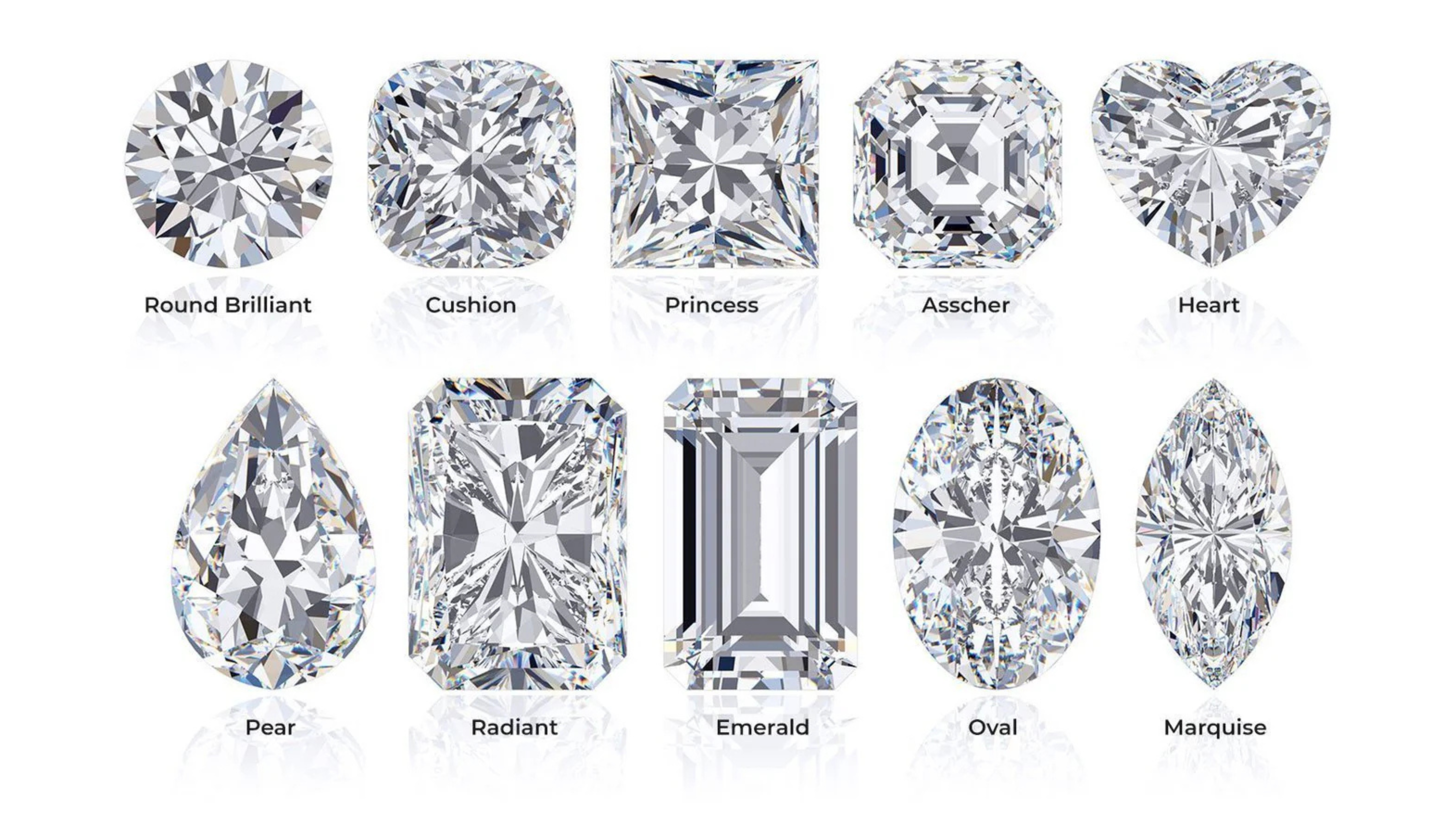
When someone starts looking for a diamond ring, the first thing that usually catches their attention is the shape of the diamond. Many people use the words shape and cut interchangeably, but in jewellery, the cut of a diamond refers to the way a diamond is shaped and faceted to reflect light. The cut determines how the diamond sparkles, how large it appears, and how it looks when set in a ring.
Diamond cuts play a major role in the overall appearance of a ring. The same diamond weight can look completely different depending on the cut. Some cuts appear larger, some produce more brilliance, and some have a more vintage or bold personality.
If you are choosing a ring for engagement, a gift, or everyday wear, understanding the different diamond cuts used in rings can help you make a more confident decision.
Round Cut Diamond

The round cut diamond is the most popular and widely used diamond cut in rings. For decades, it has been the preferred choice for engagement rings because of its balanced shape and brilliant sparkle.
This cut contains 58 facets that are carefully arranged to maximise the reflection of light. Because of this structure, round diamonds often produce the highest level of brilliance among all diamond cuts.
Another reason people prefer round diamonds is their versatility. They work beautifully with almost every ring setting, whether it is a solitaire ring, halo ring, or a pavé band.
Round diamonds also hide minor imperfections better than many other shapes, making them a practical choice for everyday rings.
Princess Cut Diamond

The princess cut is one of the most popular choices for people who want something modern but still classic. It has a square shape with sharp corners and a brilliant faceting style that produces strong sparkle.
Princess cut diamonds are known for their clean and contemporary look. Because of their geometric shape, they often appear slightly larger than round diamonds of the same carat weight.
This cut works particularly well in solitaire rings and halo settings. Many couples prefer princess cut engagement rings because they offer strong brilliance while still looking different from the traditional round diamond.
However, the pointed corners of princess cut diamonds need proper protection in the setting to avoid damage.
Oval Cut Diamond

Oval cut diamonds are known for their graceful and elongated appearance. This shape combines the brilliance of a round diamond with a more distinctive outline.
One of the reasons people choose oval diamonds is that they create the illusion of longer and slimmer fingers when worn as a ring. Because of their stretched shape, they can also appear larger than round diamonds of the same weight.
Oval diamonds work beautifully in solitaire rings, halo rings, and even three-stone settings. They have become increasingly popular among people who want a classic diamond with a slightly different personality.
Some oval diamonds may show a shadow across the centre known as the bow-tie effect, but well-cut stones minimise this appearance.
Cushion Cut Diamond

The cushion cut diamond has a soft square or rectangular shape with rounded corners. It is one of the oldest diamond cuts and has been used in jewellery for more than a century.
This cut is known for its pillow-like shape, which is why it is called a cushion cut. Cushion diamonds have large facets that create a softer, romantic type of sparkle compared to the sharp brilliance of round diamonds.
Many people who appreciate vintage-inspired jewellery prefer cushion cut diamonds. They work beautifully in halo rings because the surrounding diamonds highlight the soft shape of the centre stone.
Cushion cuts are also available in square and elongated versions, giving buyers more variety when selecting a ring.
Emerald Cut Diamond

The emerald cut diamond is very different from brilliant-cut diamonds. Instead of producing intense sparkle, this cut focuses on clarity and elegance.
Emerald cut diamonds have a rectangular shape with long step-cut facets. These parallel facets create a hall-of-mirrors effect, where light reflects in long flashes rather than small sparkles.
Because of this open faceting style, the clarity of the diamond becomes more visible. For this reason, emerald cut diamonds usually require higher clarity grades.
This cut is often chosen by people who appreciate a refined and understated look. Emerald cut diamonds are commonly used in solitaire rings and three-stone ring designs.
Marquise Cut Diamond

The marquise cut diamond has a long, narrow shape with pointed ends. Its unique silhouette makes it one of the most distinctive diamond cuts used in rings.
Because of its elongated form, the marquise cut can make the diamond appear larger than many other shapes with the same carat weight. It also creates a flattering effect on the hand by making the fingers look longer.
Marquise diamonds are often used in vintage-inspired rings and statement jewellery. They can be set in solitaire rings or surrounded by smaller diamonds in halo settings.
Proper symmetry is important in marquise diamonds so that both ends appear balanced and the curve remains smooth.
Pear Cut Diamond

The pear cut diamond is also known as the teardrop shape. It combines features of round and marquise cuts, with one rounded end and one pointed tip.
This shape is known for its elegant and distinctive appearance. Pear cut diamonds are often chosen by people who want something unique but still timeless.
When set in rings, the pointed tip usually faces outward toward the fingertip, which helps create a longer finger appearance. Pear diamonds work well in solitaire rings, halo designs, and even side-stone settings.
Like marquise diamonds, pear cuts must be well proportioned to maintain symmetry and balanced sparkle.
Asscher Cut Diamond

The Asscher cut diamond has a square shape with step-cut facets similar to the emerald cut. However, it is deeper and often features clipped corners, giving it an octagonal appearance.
This cut is admired for its vintage charm and structured look. When viewed from the top, Asscher cut diamonds create a mesmerising pattern of concentric squares.
Because of the open facet structure, clarity is extremely important in this cut. High-quality Asscher diamonds display exceptional depth and visual symmetry.
These diamonds are often chosen by people who appreciate classic jewellery with strong geometric character.
Radiant Cut Diamond

The radiant cut diamond combines the shape of an emerald cut with the brilliance of a round diamond. It has either a square or rectangular outline with trimmed corners.
Unlike emerald or Asscher cuts, radiant diamonds have brilliant-style facets, which produce strong sparkle and fire.
Radiant cut diamonds are ideal for people who want a rectangular diamond with noticeable brilliance. They are also good at hiding inclusions because of their faceting pattern.
This cut works beautifully in modern engagement rings, halo rings, and three-stone designs.
Heart Cut Diamond

The heart cut diamond is one of the most symbolic diamond shapes used in rings. As the name suggests, it is shaped like a heart and represents love and emotional connection.
Heart-shaped diamonds require precise cutting to maintain perfect symmetry between the two halves of the heart. If the proportions are not correct, the shape may appear uneven.
This cut is often chosen for romantic jewellery pieces, anniversary rings, and meaningful gifts. Although it is less common in engagement rings, it remains a distinctive and expressive option.
Choosing the Right Diamond Cut for Your Ring
Selecting the right diamond cut depends on personal style, lifestyle, and how the ring will be worn.
People who prefer maximum sparkle usually choose round, princess, or radiant cuts. Those who appreciate clean lines and understated beauty often prefer emerald or Asscher cuts. Buyers looking for distinctive shapes may explore marquise, pear, or oval diamonds.
Finger shape, ring setting, and budget can also influence the choice of diamond cut. Some cuts appear larger than others, while some highlight clarity more strongly.
When selecting a ring, it is helpful to view different cuts in person to understand how each shape interacts with light and how it looks on the hand.
Final Thoughts
The cut of a diamond is one of the most important factors that determines the beauty of a ring. Each diamond cut offers a different personality, from the brilliant sparkle of round diamonds to the structured elegance of emerald and Asscher cuts.
Understanding the different diamond cuts used in rings allows buyers to choose a design that truly reflects their style and preference. Whether someone prefers a classic round diamond or a distinctive pear or marquise shape, the right cut can transform a simple ring into a meaningful and lasting piece of jewellery.
Share:
How to choose the perfect solitaire rings for engagements?
Diamond Stud vs Solitaire Earrings: What Is the Difference?