

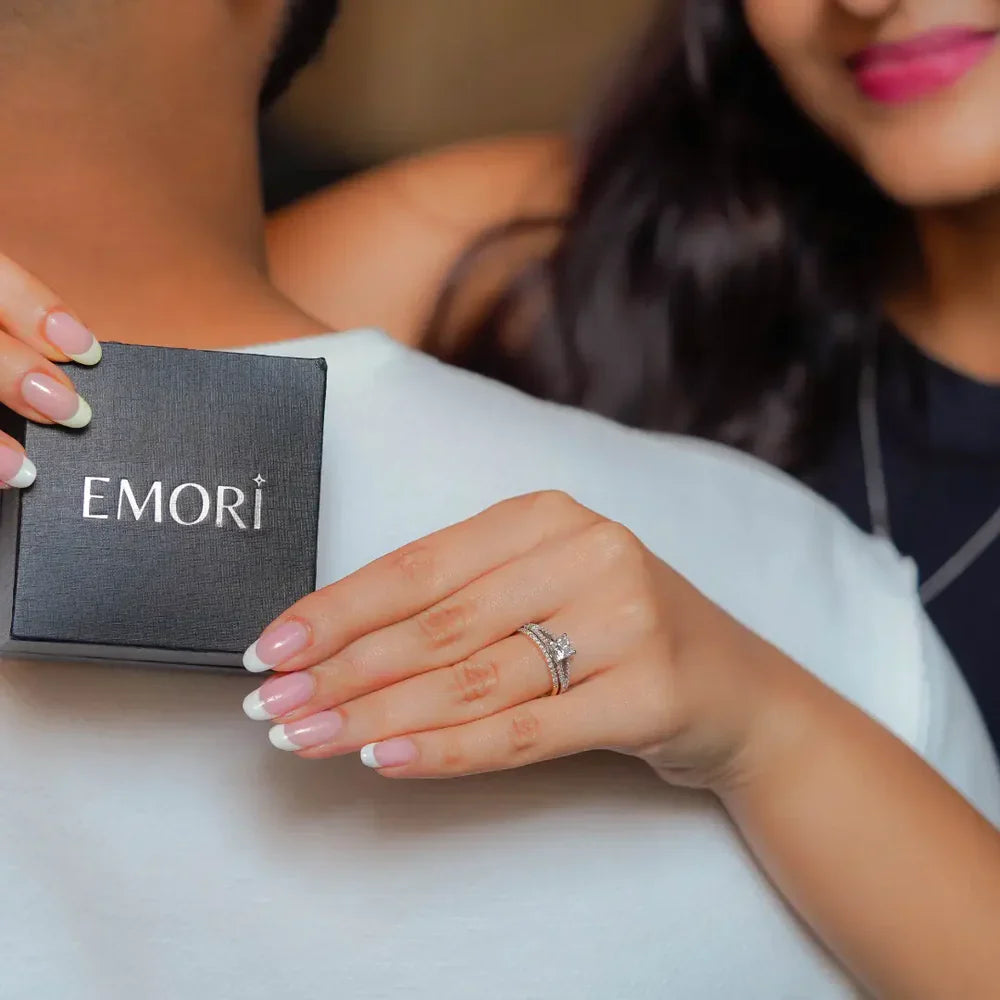
In recent years, jewellery buyers in India have started asking an important question when choosing diamonds: Should I buy a lab grown diamond? What was once a small niche has now become a mainstream choice. Couples, young professionals, and even traditional families are turning to lab grown diamonds for weddings, engagements, and everyday jewellery.
India is also one of the largest producers of lab grown diamonds, making them widely available across markets such as Surat, Mumbai, Delhi, and Bangalore. This guide will walk you through everything you need to know before buying a lab grown diamond in India.
What are Lab grown diamonds?
Lab grown diamonds are real diamonds that are created in modern laboratories using advanced technology. They are not substitutes or look-alikes like cubic zirconia or moissanite. Instead, they are chemically, physically, and optically identical to mined diamonds. Both are made of pure carbon in a crystal structure, both shine with the same brilliance, and both are equally durable with a hardness of 10 on the Mohs scale.
The only difference is how they are formed. Natural diamonds are created deep within the earth over billions of years, while lab grown diamonds are created in controlled environments within weeks. To the naked eye, both look exactly the same, and even professional gemologists need advanced tools to tell them apart.
How Are Lab Grown Diamonds Made?
Lab grown diamonds start with a small diamond seed placed inside a chamber that replicates the conditions deep within the earth. Carbon atoms then build up around the seed until a rough diamond forms. This rough stone is cut and polished the same way as natural diamonds.
There are two methods used to grow diamonds in labs:
- CVD (Chemical Vapor Deposition): Carbon-rich gases are heated inside a chamber, and carbon atoms deposit layer by layer onto the diamond seed. This process produces high-quality, clean diamonds.
- HPHT (High Pressure High Temperature): A diamond seed is exposed to extreme heat and pressure, mimicking natural conditions. Carbon crystallizes around the seed, creating a rough diamond.
Both processes produce real diamonds, certified and graded on the same standards as mined stones.
How to Check Diamond Certification
A diamond certificate is an independent report that describes the characteristics of your diamond. It is issued by trusted gemological laboratories and serves as proof of authenticity. When buying a lab grown diamond in India, checking the certificate is just as important as choosing the stone itself.
Key points to understand about certification:
-
4Cs Grading: The certificate includes details of the diamond’s Cut, Color, Clarity, and Carat.
-
Identification Number: Every certified diamond has a unique number that is often laser-inscribed on the stone for easy verification.
-
Origin: Certificates for lab grown diamonds clearly mention that the diamond is lab created.
-
Proportions and Measurements: The report lists the exact dimensions of the diamond, which influence its brilliance.
-
Security: Certificates are tamper-proof and cannot be duplicated.
Trusted Certification Bodies:
-
IGI (International Gemological Institute): Widely recognized in India, especially for lab grown diamonds.
-
GIA (Gemological Institute of America): Global leader in diamond certification, trusted worldwide.
-
SGL (Solitaire Gemological Laboratories): Also provides certification in India.
Buying Tip: Always ask for the certificate and verify the identification number on the diamond against the certificate. A certified diamond ensures you are getting what you paid for and protects you from misleading claim
Diamond Shapes and Types – How to Choose
When buying lab grown diamonds, shape is one of the most important decisions. Each shape creates a different look on the finger or in jewellery, so understanding how they appear in real designs will help you choose confidently.
-
Round BrilliantThe most popular shape, known for its Brilliance. Round diamonds look beautiful in solitaires, halos, and pavé rings. They suit all hand shapes and are perfect for someone who wants a timeless, classic look.
Princess CutSquare in shape with sharp edges, the princess cut gives a modern look. It works well in engagement rings, especially when set with side stones or halos. It appeals to buyers who want something elegant but with a contemporary touch.
-
Emerald Cut
With its rectangular shape and step-cut facets, emerald cuts have a mirror-like shine instead of a fiery sparkle. Emerald cuts are perfect for vintage-inspired or Art-deco style jewellery. -
Oval Cut
Oval diamonds make the fingers look slender and longer. They are often chosen for solitaire rings and pair beautifully with pavé bands. A good choice for someone who wants brilliance with a slightly unique shape. -
Cushion Cut
A soft square with rounded corners, cushion cuts have a romantic charm. They look stunning in halo rings or antique-style settings. Cushion cuts are ideal for buyers who prefer a softer sparkle with a classic yet unique feel. -
Pear Cut
Shaped like a teardrop, pear diamonds combine the brilliance of round with the elongation of marquise. They are often set in solitaire rings pointing upward, which elongates the finger. Pear cuts also look striking in pendants and earrings. -
Marquise Cut
Long with pointed ends, marquise diamonds appear larger than they actually are. They create a dramatic, bold look and make the finger look slender. Perfect for statement rings or unique engagement rings. -
Baguette Cut
Rectangular with step cuts, baguette diamonds are not usually used as solitaires but shine as side stones or in eternity bands. They give jewellery a sleek, modern, and structured appearance. Great for customers who love geometric, minimalist styles.
Step-by-Step Guide to Buying Lab Grown Diamonds
-
Decide on Your Budget – Lab grown diamonds let you buy a bigger or better-quality stone without overspending.
-
Learn the 4Cs – Cut, Color, Clarity, and Carat all influence beauty and value.
-
Choose the Shape – Pick the one that matches your style.
-
Select the Setting – Solitaire, halo, three-stone, pavé, or baguette accents.
-
Ask for Certification – Only IGI or GIA certified diamonds guarantee authenticity.
-
Compare Jewellers – Look for transparency, reputation, and strong customer policies.
Where to Buy Lab Grown Diamonds in India
You can buy lab grown diamonds both online and offline.
Online Stores
-
Emori: Certified lab grown diamond jewellery with modern designs, customization, and transparent pricing.
-
Limelight Diamonds: One of India’s early lab grown jewellers.
-
Fiona Diamonds: Offers a wide collection of lab grown jewellery.
-
Jewelbox: Focused on sustainable jewellery designs.
Offline Stores
-
Surat: The diamond capital of India, with both natural and lab grown markets.
-
Mumbai (Zaveri Bazaar): Large variety of jewellers offering certified lab grown options.
-
Delhi (Karol Bagh, South Extension): Popular jewellery hubs for lab grown diamonds.
-
Bangalore and Hyderabad: Emerging cities with growing lab grown jewellery presence.
Whether online or offline, always check certification, reviews, and exchange policies
Things to Avoid When Buying
-
Never buy uncertified diamonds.
-
Do not confuse lab grown diamonds with simulants like CZ or moissanite.
-
Do not ignore the setting quality, as it secures the diamond.
-
Do not base your decision on price alone. Trust and after-sales support matter too.
Tips for First-Time Buyers
-
Compare lab grown and mined diamonds side by side, and you will see no visible difference.
-
Choose a durable setting if you plan to wear your piece every day.
-
Use Lifetime exchange or buyback policies from jewellers like Emori.
-
Take advantage of the price difference to buy a bigger or better-quality stone.
Price of Lab Grown Diamonds in India
On average, lab grown diamonds are 70 to 80 percent more affordable than mined diamonds of the same quality.
For example, a 1-carat mined diamond may cost ₹4 to ₹5 lakhs, while a lab grown diamond of the same specifications may cost ₹50,000 to ₹1.5 lakhs.
This price difference makes diamonds accessible to more buyers without compromising on quality.
Misconceptions About Lab Grown Diamonds
-
Are they fake? No. They are real, durable, and certified.
-
Do they last? Yes. They are as hard and long-lasting as mined diamonds.
-
What about resale? While resale markets are still growing, brands like EMori offer buyback and exchange policies.
The Future of Lab Grown Diamonds in India
The demand for lab grown diamonds is rising quickly. As India is both a producer and consumer, adoption is accelerating. Younger couples and families are already making them their first choice for engagement and wedding jewellery.
With technology improving, the quality, size, and design options will continue to expand. Lab grown diamonds are no longer an alternative but an important part of the future of fine jewellery in India.
Final Words
Buying a diamond is a meaningful decision, and lab grown diamonds make that choice smarter and more accessible. They offer the same brilliance and durability as mined stones, while giving you affordability, sustainability, and transparency.
For Indian buyers, lab grown diamonds are a modern and conscious way to celebrate love and milestones.
At Emori, we specialize in certified lab grown diamond jewellery crafted with precision and care. Whether you are looking for an engagement ring, a wedding band, or a timeless everyday piece, our collection brings together trust, quality, and design. Explore our lab grown diamond jewellery in India and find the piece that truly reflects your story.
Share:
A Complete Guide to Baguette Cut Diamonds
Why Emori Diamond Jewellery is the Perfect Choice for Diwali 2025