

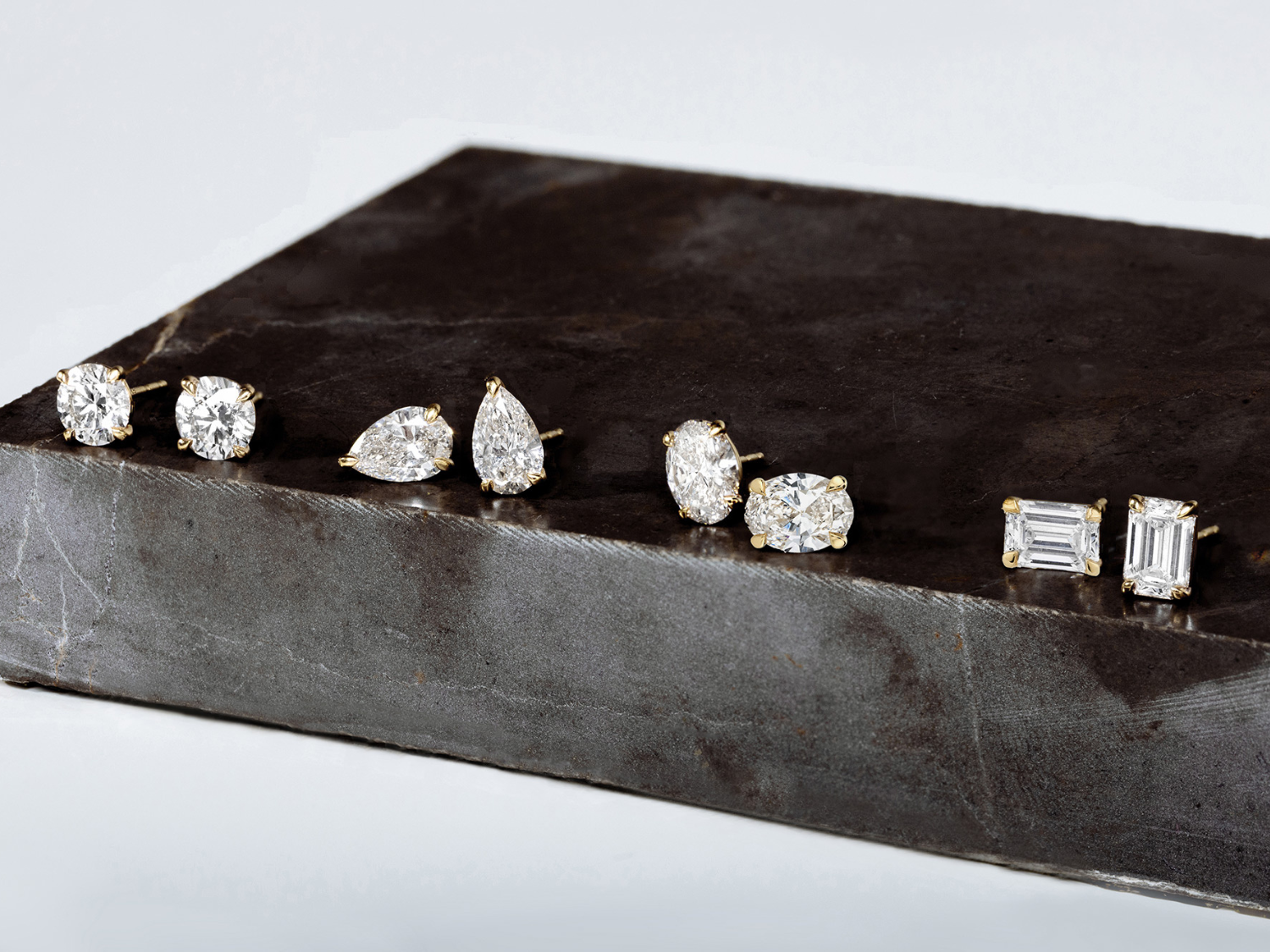
When someone thinks about diamond earrings, the first image that usually comes to mind is a simple pair of studs shining on the ear. But once you start searching for a pair, you quickly realise that the shape of the diamond matters far more than you thought. The shape decides how bright your earrings look, how large they appear on your ears, how they sit, and how well they match your face.
Lab grown diamonds make this choice even more exciting because you can explore every shape freely without worrying that one shape will be much costlier than the other. You can choose based on what suits your style, not just what fits the budget.
This guide explains each shape in depth so you can clearly understand what works best for earrings and why.
Lab Grown Round Cut Diamonds

Round diamonds are the most popular choice in earrings because they offer consistent brightness and balanced sparkle. Their structure includes 58 facets, with the crown, table and pavilion working together to create strong brilliance. A lab grown round diamond often performs even better because of precise cutting and clean clarity.
What makes round diamonds ideal for earrings is how they behave when worn. Earrings naturally move as you talk, smile or tilt your head. A round brilliant cut responds beautifully to this movement because every angle reflects some amount of light. You get a clean, steady sparkle that works well for both casual and formal settings.
Lab Grown Princess Cut Diamonds

Princess cut diamonds have a neat square outline with sharp corners. Their 50 to 58 facets form a crisscross pattern that gives sharp, bright flashes instead of soft twinkles. A lab grown princess diamond usually shows very crisp brilliance because its clarity supports the angular facet structure.
Princess cut earrings look especially good on people with rounder or softer face shapes because the straight lines create balance and definition. The shape also sits perfectly on the earlobe and gives the illusion of a slightly larger surface area than a round diamond of the same carat.
Another reason princess studs are loved is their youthful and fresh appearance. They bring a clean modern style while still maintaining strong light performance. For buyers who want something slightly different from traditional round studs, this shape is a great middle ground.
Lab Grown Oval Cut Diamonds

Oval diamonds belong to the brilliant cut family and are known for their soft, stretched shape. When set in earrings, ovals immediately appear larger than rounds of the same weight because of their elongated surface area. This makes them a smart choice for someone who wants a bigger look without increasing carat size.
The sparkle of an oval diamond feels slightly softer than a round, but still very bright. What makes them especially beautiful in earrings is the way they complement the natural curve of the face. The long shape visually lengthens the cheek area and creates a gentle lift that many people find flattering.
Ovals look elegant. They are a good option for people who prefer a more feminine style or want something different yet subtle.
Lab Grown Emerald Cut Diamonds

Emerald cut diamonds are known for their step cut pattern, which creates long rectangular facets instead of small sparkly ones. This means emerald earrings do not give a glittery shine. Instead, they produce long flashes of light that look like reflections in a mirror.
Because of this structure, emerald cuts highlight clarity more than brilliance. In earrings, they look minimal, clean and very luxurious. Many people who prefer understated jewellery choose emerald cut earrings because they give a quiet glow that feels elegant without being loud.
This shape works well for people who like structure and simplicity in their jewellery. It also suits individuals who prefer a more refined and timeless style rather than something overly sparkly.
Lab Grown Pear Shaped Diamonds

Pear shaped diamonds combine two shapes in one. The rounded end gives softness, while the pointed end adds definition. This mix makes pear earrings very flattering, especially because the pointed tip visually lengthens the face.
When worn, pear shaped earrings draw the eye downward in a gentle line, creating a lifting effect on the face. Their movement also adds charm because the asymmetrical shape allows light to reflect differently from each side.
This shape is loved by people who want earrings that feel different from regular studs but still maintain an elegant appearance. Pear shapes are perfect for special occasions but also look beautiful in everyday wear.
Lab Grown Marquise Cut Diamonds

Marquise diamonds are known for their long, narrow shape with pointed ends. They immediately create a bold and dramatic look when worn as earrings. The length of the stone makes it appear larger than its actual weight, which is a strong advantage.
The marquise shape flatters the face in a unique way. It visually elongates the ear and adds a graceful curve that can make the entire face look more balanced. Because the shape is rare in earrings, it naturally draws attention.
This cut is best suited for people who enjoy jewellery that stands out. It is not a subtle choice, but it is definitely a memorable one.
How to Choose the Best Shape for You
Here is a simple way to decide based on your preference:
If you want max sparkle:
Round or Princess
If you want a bigger look at the same carat:
Oval or Marquise
If you prefer a soft, face flattering style:
Oval or Pear
If you like minimal luxury:
Emerald
If you want something unique:
Pear or Marquise
Final Thoughts
There is no single perfect diamond shape for everyone. Each cut brings its own personality, sparkle pattern and visual effect on the face. The best choice depends on how you want your earrings to look, how often you will wear them, and what kind of style you naturally prefer. Lab grown diamonds give you the flexibility to explore larger sizes and higher clarity, which makes every shape even more enjoyable to wear.
Share:
Why Everyone Is Copying These 2025 Celebrity Necklace Styles
Which Lab Grown Diamond Shape Gives the Best Value