

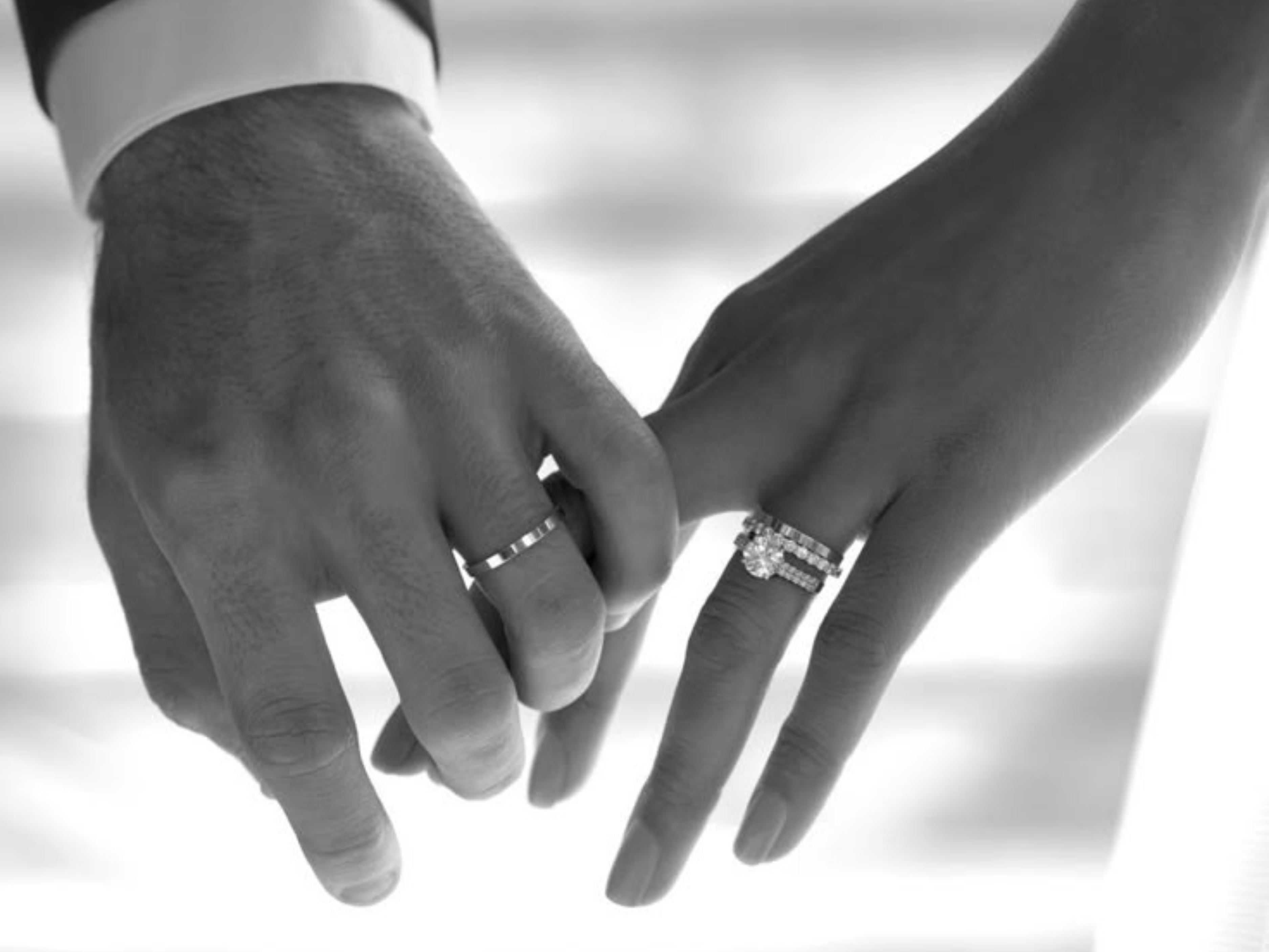
A wedding ring may look like a small piece of jewellery, but across cultures, it carries deep emotional meaning. It represents commitment, partnership, and the promise of a shared future. What makes wedding rings fascinating is how every country adds its own traditions, beliefs, and symbolism to this simple circle.
Let us take a cultural journey across the world and explore how different societies celebrate love through wedding rings.
In India: Rings as Part of a Larger Sacred Bond
In India, wedding rings are important, but they are just one part of a much bigger ritual-filled celebration.
Traditionally, rings became popular through Western influence. Today, most couples exchange rings during their engagement or wedding ceremony. Gold is still widely preferred, especially in many families, as it symbolises prosperity and stability. Diamond rings have grown popular among modern couples who want something personal and luxury.
In South India, brides also wear toe rings after marriage, which hold cultural and symbolic value. Rings are not only worn for beauty but also as markers of marital status, family blessings, and lifelong commitment.
What makes Indian wedding rings special is that they are rarely chosen casually. Families often come together to select designs, weight, and purity, making the ring a shared emotional investment.
US GB Western Countries: The Classic Ring Exchange

In countries like the United States and the United Kingdom, wedding rings follow a more structured tradition.
The engagement ring usually comes first, often featuring a diamond. During the wedding ceremony, both partners exchange simple bands. These are worn on the fourth finger of the left hand, based on the old belief that this finger has a vein directly connected to the heart.
Men wearing wedding bands became common only in the last century, especially after World War II, when soldiers wore rings as reminders of their partners back home.
Western couples often focus on personalization. Engravings, matching bands, and custom designs are popular. Many people now choose ethical diamonds or meaningful gemstones to reflect shared values.
Here, the wedding ring is not only a symbol of marriage but also an expression of individual style.
China: Gold Rings and Family Traditions

In China, wedding jewellery traditionally focuses on gold. Gold rings represent wealth, luck, and happiness, and are often gifted by families rather than chosen only by the couple.
The famous tea ceremony plays a major role in Chinese weddings, where elders bless the newlyweds and present jewellery. Rings may be exchanged privately or during modern ceremonies influenced by Western customs.
Many Chinese couples wear matching bands to reflect unity. Designs often include symbols like the double happiness character, which represents marital joy.
What stands out in Chinese traditions is the strong involvement of family, making rings part of generational bonding rather than just romantic expression.
Nordic Countries: Simple Rings with Deep Meaning

In Nordic countries such as Norway, wedding rings are known for their simplicity.
Couples usually wear plain gold bands, and both partners often receive engagement rings. Later, an additional ring may be added at the wedding. Designs stay minimal, focusing on durability and meaning rather than decoration.
These cultures value equality, so both partners share similar ring styles. The emphasis is on partnership, practicality, and lifelong companionship.
Nordic rings remind us that sometimes, the most powerful symbols are also the simplest.
Middle Eastern Traditions: Gold, Blessings, and Heritage

Across the Middle East, including countries like the United Arab Emirates, gold plays a central role in weddings.
Rings are often part of a larger jewellery presentation given to the bride, symbolising security and respect. In many traditions, rings are worn on the right hand before marriage and moved to the left after the wedding.
Designs can be intricate, featuring Arabic patterns or meaningful engravings. Jewellery here is not only decorative but also represents family honour and financial protection.
The wedding ring becomes a visible promise of care and responsibility.
What These Traditions Teach Us
Across cultures, wedding rings carry different styles, metals, and rituals, but the core meaning remains the same. They represent love, commitment, and shared life journeys.
Some societies focus on simplicity. Others celebrate grandeur. Some involve family deeply, while others highlight personal choice. Yet every tradition shows how humans across the world mark one of life’s most important milestones with a circle that has no beginning and no end.
Bringing Global Inspiration into Modern Ring Choices
Today’s couples often connected with traditions. Someone in India may choose a diamond ring inspired by Western styles. A couple in Europe may prefer minimal Nordic designs. Many people now look for rings that reflect both cultural roots and personal stories.
At Emori, we see this beautifully in our customers every day. Some choose classic bands. Others go for meaningful designs that mark their unique journey. There is no right or wrong choice. The best wedding ring is the one that feels true to your relationship.
Final Thoughts
Wedding rings may look similar across countries, but the stories behind them are wonderfully diverse. From gold-rich ceremonies in Asia to minimalist bands in Scandinavia, each culture adds its own layer of meaning to this timeless tradition.
Wherever you are in the world, your wedding ring is more than jewellery. It is a quiet promise you carry with you every day, reminding you of love, partnership, and the future you are building together.
Share:
How to Stack Rings with Engagement Rings
How to pair your engagement ring with the right wedding band